Orpheus
TR WarszawaDuration
Place
Teatr Polski, Scena Włoska
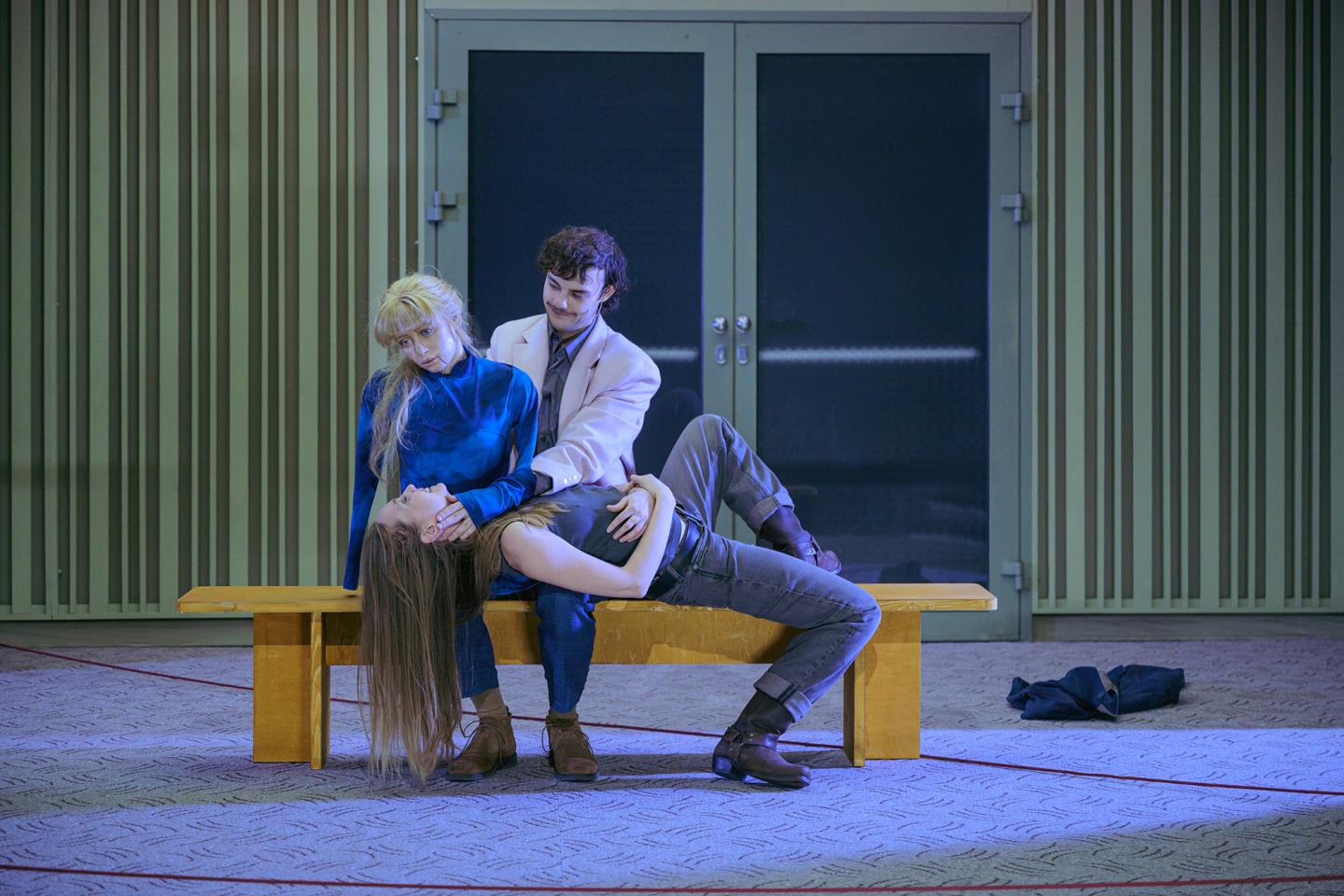
Eurydice dies under tragic circumstances. Orpheus is left on his own. What next?
Mourning in the modern world has been removed from the public sphere. The rituals which in archaic communities were to connect the individual with the collective, interrupted life with life that goes on, have died out or have been weakened. A culture of forgetting, which treats mourning as an anomaly or an obstacle on the road to happiness and success does not teach us about loss, making it impossible to respond in a mature way to traumatic collective experience, such as pandemics, natural disasters, or armed conflicts.
In Orpheus, we invoke an ancient myth to examine ways of experiencing loss or new rituals and their potential to bring people out of loneliness. Mourning interests us in both an intimate and political dimension: by undermining the omnipresent imperative of constant productivity, it has, after all, an anti-systemic capacity, whereas talking about mourning offers a chance to strengthen social ties and experience pain in solidarity.
As he turns back leaving Hades, Orpheus loses Eurydice forever. The gesture, interpreted usually as a moment of weakness, becomes a recurring refrain around which the theatrical reality of Orpheus and the mourning Orpheuses is built.
stage design and costumes: Anna Met
choreography of puppet scenes: Natalia Sakowicz
music: Enchanted Hunters (Magdalena Gajdzica, Małgorzata Penkalla)
lights: Rafał Paradowski
puppet creator: Olga Ryl-Krystianowska
director’s assistant: Katarzyna Gawryś
second director’s assistant: Tymoteusz Sarosiek
stage manager: Monika Tuniewicz
Cast: Jacek Beler, Jan Dravnel, Mateusz Górski, Natalia Kalita, Anna Smolar, Tomasz Śpiewak, Justyna Wasilewska, Julia Wyszyńska